
Ratio
Popular on
Audience
Search interest over time
The thrill of seeing a reply that completely flips the script on the original post makes it super shareable. It’s like a digital mic drop that everyone wants to be part of.
In internet slang, 'ratio' means a reply that outperforms the original post, often implying disagreement or a comeback.
“You got ratioed.
— Commonly used by Twitter users when someone’s response outshines the original tweet, especially in a humorous or sarcastic way.
How people use it
'Ratio' is used when someone replies to a tweet, and that reply gets significantly more engagement than the original post. For example, if someone tweets something unpopular and a reply says, 'No one asked for your opinion,' and that reply gets thousands of likes, it’s considered a ratio.
Where it started
The term 'ratio' gained traction on Twitter, particularly in 2021, as users began to use it to call out tweets that received more replies than likes or retweets. This shift turned it into a way to highlight disagreements or better responses.
Timeline
- 2021-01The term 'ratio' starts gaining popularity on Twitter as users use it to highlight replies that outperform original tweets.
How it spread
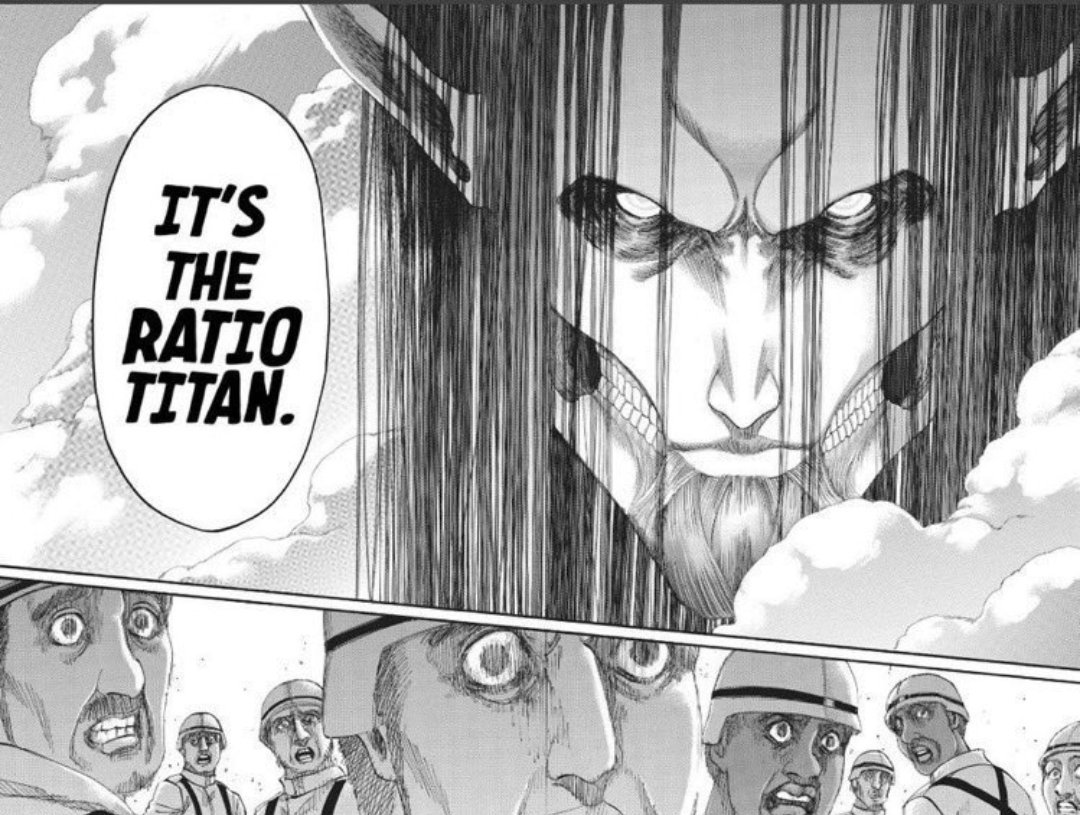
The term exploded beyond Twitter, making its way to TikTok and Reddit as users began to adopt it in various contexts, often humorously. Memes and videos showcasing epic ratios became popular, further embedding the term in internet culture.
Full story
The term "ratio" in internet slang began to gain traction on Twitter around early 2017, when users started to notice a pattern where tweets with a high number of replies would often have significantly fewer likes and retweets. This phenomenon was humorously dubbed "the ratio," suggesting that if a tweet received more replies than positive engagement, it was likely poorly received or controversial. A notable early instance occurred on March 7, 2017, when Twitter user @85mf highlighted a tweet by Jason Chaffetz, which had 701 replies but only 23 retweets and 108 likes. This tweet sparked discussions about the implications of such ratios, with users like @Brilligerent suggesting that a replies-to-retweets ratio greater than 2:1 indicated a misstep. The concept of "ratio" became more widely recognized following an article by Luke O'Neil in Esquire on April 11, 2017, where he illustrated the ratio's significance using examples from high-profile tweets, including one from United Airlines that garnered over 61,000 replies but only 6,700 likes. This article brought the idea of the ratio into mainstream conversation, particularly among users on "Weird Twitter" and leftist circles, who began to actively call out tweets that were ratioed, often using it as a humorous way to criticize or mock the original post. By 2021, the term "ratio" had evolved into a more specific usage on Twitter, where it was commonly employed to signify that a reply had outperformed the original tweet in terms of engagement. This shift allowed users to express disagreement or provide comebacks in a way that felt satisfying and shareable. The thrill of witnessing a reply that flips the narrative on the original post contributed to its virality, making it akin to a digital mic drop. As the term spread beyond Twitter to platforms like TikTok and Reddit, it became a part of broader internet culture, where memes and videos showcasing epic ratios further solidified its place in online discourse. Today, "ratio" is a staple of internet slang, recognized widely across various platforms. It serves as a shorthand for pointing out when a reply has significantly more likes than the original tweet, often implying that the original statement was misguided or unpopular. The concept has transcended its initial context, becoming a humorous way to engage with content that sparks debate or disagreement, and it continues to evolve as users find new ways to apply it in their online interactions.
No comments yet. Be the first!
